
Best US National Parks to Visit This Fall for an Unforgettable Escape
Fall reveals a quieter side of America's national parks thinner crowds, better weather, and foliage most summer visitors never see
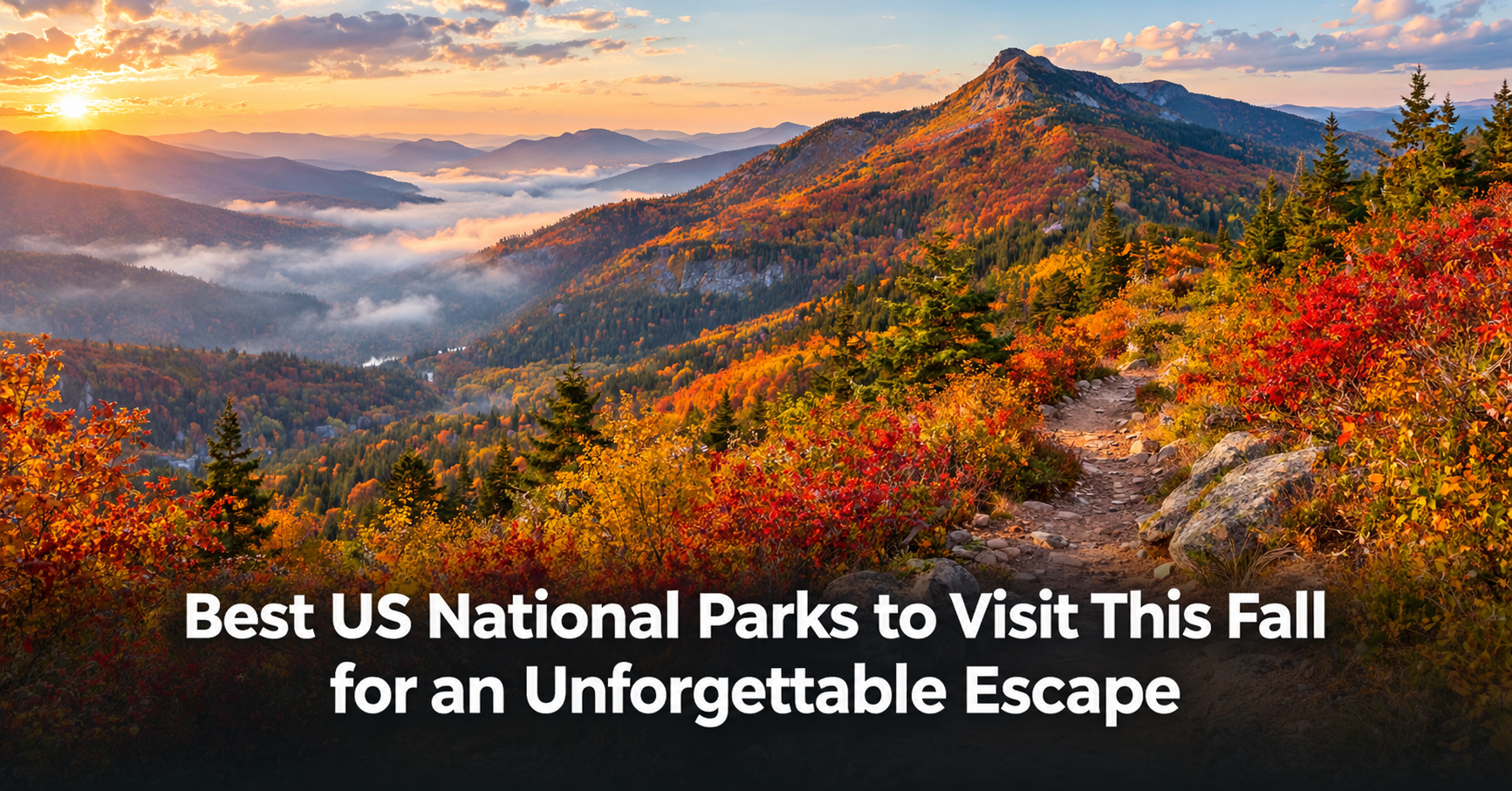
Summer in America's national parks means packed trailheads, hour-long waits for parking, and timed-entry passes just to get through the gate. Fall flips the script entirely. Once school starts back up in September, visitor numbers drop sharply across the park system, temperatures settle into a range that actually makes hiking enjoyable again, and the eastern and mountain parks reveal a side of themselves that summer crowds never get to see.
Here's where fall makes the biggest difference and what to know before booking your trip.
Why Fall Is Having a Moment for Park Travel
A few trends are driving the surge in fall national park trips this year:
- Flexible work schedules. Remote and hybrid work has loosened the old June-to-August-only vacation window, giving more travelers the freedom to take a September or October trip.
- Better wildlife viewing. Fall isn't just quieter it's genuinely a better wildlife season. Elk bugling, bears feeding heavily before hibernation, and seasonal migration patterns all peak in autumn.
- Potential savings, but not guaranteed ones. Historically, fall shoulder-season flights and hotel rates have run roughly 5% to 30% below summer peaks, based on data from booking platforms like Hopper and Navan comparing September–October pricing to June–August averages. That gap has narrowed in some markets in recent years, and Expedia's own fall travel outlook has noted years where demand simply carried over from summer, erasing the usual discount in popular destinations. The practical takeaway: fall travel is often cheaper, but it's no longer automatic check current rates for your specific dates rather than assuming a discount.
What Actually Changes in the Parks During Fall
Summer and fall aren't just "same park, different weather." A few real operational shifts take place:
- Shuttle systems scale back. Many parks move to reduced shuttle schedules, and some stop running shuttles entirely for the season.
- High-elevation roads start closing. Places like Rocky Mountain National Park and parts of Yellowstone can see snow closures as early as October.
- Lodging availability shifts. Some lodges shut down for winter, while others like Zion Lodge run fall promotions to fill rooms.
- Daylight hours shrink fast. By late October, you're losing more than two hours of usable daylight compared to July, which compresses how much ground you can realistically cover in a day.
None of this makes fall a worse time to visit it just means your itinerary needs more flexibility than a summer trip would. Checking each park's current conditions page before you go isn't optional; it's essential.
The Parks Worth Building a Trip Around
Great Smoky Mountains National Park
This is the most-visited park in the country, and fall is where it earns that reputation. Because the Smokies span a wide elevation range, color starts high in late September and rolls downhill through late October into early November meaning you can chase peak foliage simply by driving up or down the mountain instead of timing one narrow window.
Acadia National Park
Acadia is the rare fall foliage destination with an ocean view attached. Granite peaks, turning maples, and Atlantic coastline along the Park Loop Road make it one of the most photographed fall landscapes in the entire park system. Cadillac Mountain the highest point on the U.S. Atlantic coast is a go-to spot for sunrise views over both the forest and the water.
Yosemite National Park
Fall is the clearest way to see Half Dome, El Capitan, and Yosemite Valley without summer's gridlock. The trade-off: waterfalls that roar in spring often slow to a trickle by fall. What you gain instead is clearer air, longer sightlines, and oaks and dogwoods turning color throughout the valley.
Rocky Mountain National Park
This is elk season. Bulls bugle to attract mates and defend territory, turning the park's meadows into one of the best wildlife-viewing setups in the entire system golden aspens set against dark evergreens as the backdrop. Just know that the park manages heavy traffic around elk-viewing areas during peak rut, and some high roads close early as snow moves in.
Zion National Park
Zion trades summer's punishing desert heat for hiking weather that actually works, without losing the drama. Cottonwoods along the Virgin River turn deep gold against the park's red sandstone walls. Angels Landing and the Narrows both stay open, though the Narrows depends on river flow check conditions before committing to that specific hike.
What This Means If You're Planning a Trip
Fall rewards flexibility more than it rewards a rigid schedule. A few practical notes to keep in mind:
- Build slack into each day shrinking daylight compresses what's realistically doable.
- Check road and shuttle status for your specific park before you go, not the week before.
- If pricing is a factor, compare fall rates directly against summer rather than assuming a discount some parks and gateway towns still run summer-level pricing into September.
- For high-stakes trips (long-distance travel, non-refundable bookings), build in a weather buffer mountain parks can swing from sunny to snow with little warning in October.
- If national parks aren’t the only thing on your list, here are more autumn getaways in the US worth considering.
What to Watch Going Forward
Foliage timing isn't fixed to the calendar it shifts a week or two year to year based on temperature and rainfall, so checking a park's live foliage tracker closer to your trip date beats relying on last year's timeline. Timed-entry and reservation systems that started in the busiest summer parks have also begun creeping into shoulder-season months at a few locations, so it's worth confirming reservation requirements before assuming fall means no advance planning.
The parks that make the best fall trips aren't necessarily the most famous ones on a list they're the ones where the season itself changes what the visit feels like, not just the photos you bring home.
Written by
EmmaYou might also like
US Winter Travel Destinations for Warm, Snowy and Cozy Trips
Warm beaches, ski towns or quiet cabins? Here's how to pick a winter trip, plan the budget and travel safely.
Thanksgiving Getaways in the US Worth Planning in 2026
Planning a Thanksgiving trip in 2026? Compare seven US destinations, learn how to keep costs down, and find the right getaway for your budget and travel style.
Autumn Getaways in the US: 10 Beautiful Places to Visit This Fall
Discover ten scenic U.S. towns and outdoor areas for a fall trip, from Catskills villages to Maine harbors. Find the right destination for your pace and travel style.
Comments (0)
Be the first to comment.