
US Destroys Five Iranian Oil Tankers as Iran Strikes Jordan Base, War Escalates
US forces destroyed five Iranian oil tankers after missile attacks on a Navy warship; Iran retaliated by striking a US-linked Jordan base.
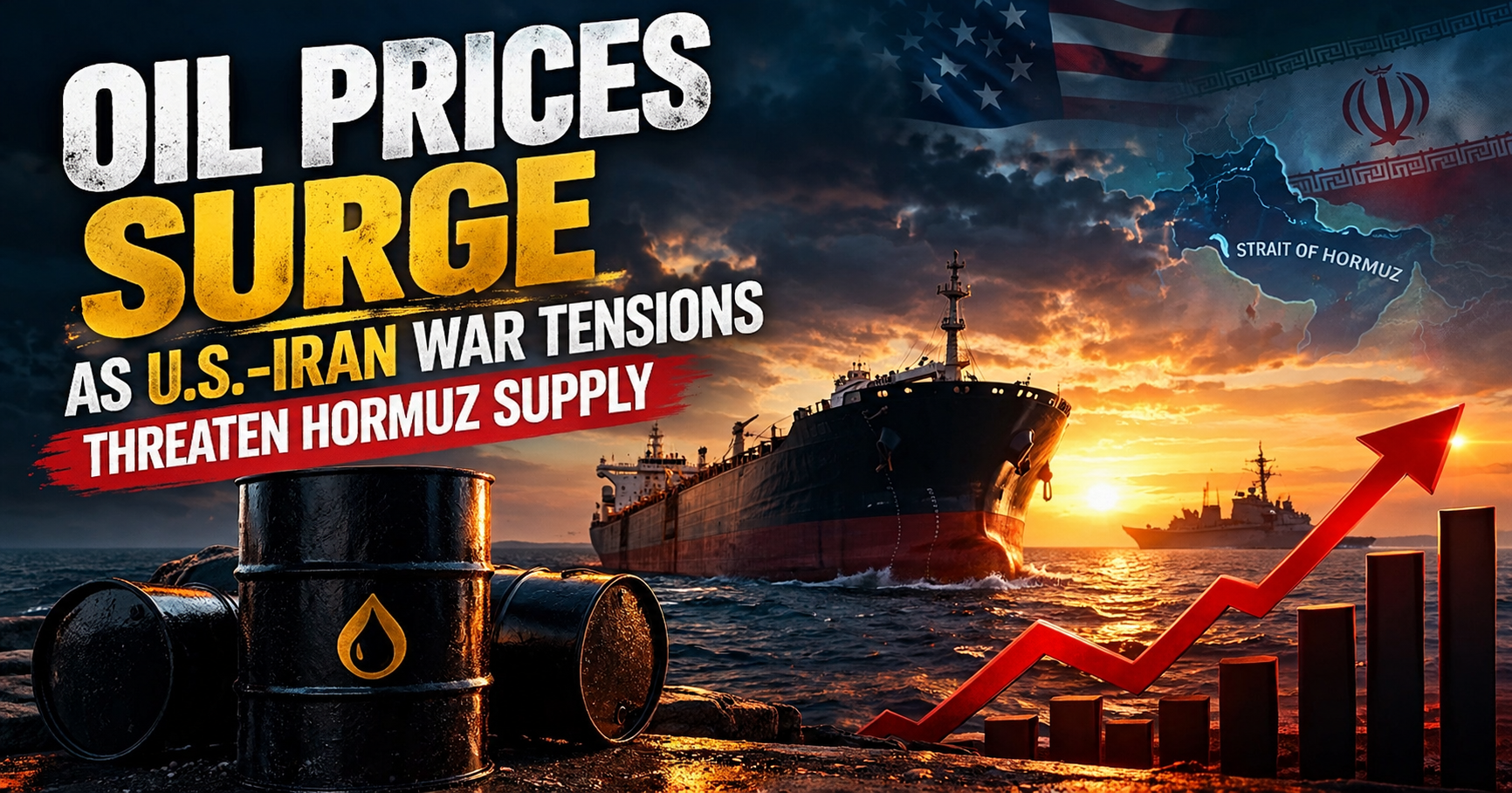
Why the US-Iran Tanker War Is Finally Hitting American Wallets
Six months into the US-Iran conflict, the war has mostly felt distant to ordinary Americans a story of strikes and counter-strikes happening thousands of miles away. That changed this week. Five Iranian oil tankers were destroyed by US forces, Iran fired missiles at a US-linked base in Jordan, and Tehran claims to have hit ten vessels near the Strait of Hormuz. This isn't just the biggest single exchange since the war began in late February it's the moment the conflict started showing up in places Americans actually notice: gas prices, shipping costs, and headlines about US sailors under direct fire.
What Actually Happened
CENTCOM says the Islamic Revolutionary Guard Corps tried, twice in two days, to hit a US Navy warship with ballistic missiles and missed both times. In response, US forces destroyed five tankers tied to Iran's oil-export network. Iran answered by striking Al-Azraq, a Jordanian base used by American forces (most of the missiles were reportedly intercepted), and by claiming attacks on ten commercial and military vessels near Hormuz.
None of this happened in isolation. It's the latest round of what's now an official US policy commonly described as "tanker for tanker" where every Iranian strike on a US Navy vessel is answered with a strike on an Iranian tanker. Washington adopted this approach in early September, replacing an earlier strategy built around a broader naval blockade of Iranian oil exports.
Why This Round Feels Different
Three things separate this week from the routine back-and-forth of the past six months, and they're worth understanding on their own terms rather than as just "more of the same":
1. The target list is widening. Jordan is a longtime US security partner, not a party to this war. An Iranian missile landing near an American base on Jordanian soil is a different kind of escalation than another tanker sinking in the Gulf it signals Tehran is willing to draw US allies into the fight.
2. The gap between rhetoric and reality is getting harder to ignore. Just a day before this week's strikes, President Trump described the conflict as "small potatoes" in a television interview. That comment is now circulating next to footage of burning tankers and missiles aimed at US installations a contrast that's fueling debate regardless of where people stand politically.
3. Deterrence doesn't seem to be working. The entire logic of "tanker for tanker" is that hitting Iran's oil fleet should make further attacks more costly and therefore less likely. Instead, this week's strikes were larger than last week's five tankers instead of three — which raises a real question about whether the strategy is containing the war or simply setting the pace for its next round.
The Part That Actually Affects You: Oil Prices
This is where the war stops being an abstraction. Brent crude has pushed toward the $100-a-barrel mark for the first time in months, and WTI is trading in the low-to-mid $90s levels that typically translate into higher pump prices and higher shipping costs within weeks, not months. Whether this is a short-lived spike or the start of something more sustained depends on factors still very much in motion: how Iran responds next, whether shipping companies reroute away from the Strait of Hormuz, and whether tanker insurance premiums keep climbing.
(This is analysis of a developing situation, not financial advice anyone making decisions based on oil or gas price movements should treat this as one input and speak with a financial professional about their specific situation.
The Claims Nobody Can Fully Verify
One thing worth flagging for anyone following this story closely: almost every casualty or damage figure in this conflict comes from one side describing the other's losses, and the two versions rarely match. The US says it destroyed the tankers cleanly; Iran confirms the strikes happened but frames them differently. Iran claims it damaged two US destroyers a claim Washington hasn't confirmed. Reports of a tanker crew member killed this week come from limited sourcing and haven't been independently verified. Readers should treat single-sourced casualty claims from either side with some caution until they're corroborated.
Update: Oil Prices Are Reversing and Shipping Costs Are Exploding
Two new developments have emerged since this story first broke, and both are worth folding into the picture.
Oil prices have actually started pulling back. After surging past $100 following this week's tanker strikes, Brent crude has now dropped for four straight sessions, falling roughly 9% and settling near $101.67 as of Monday, September 21. The reason: growing diplomatic momentum around the UN General Assembly meeting in New York, where Iranian President Masoud Pezeshkian is expected to attend. Traders appear to be pricing in the possibility however uncertain that renewed talks could de-escalate the conflict. President Trump, for his part, has said the US is weighing a range of options going forward, from a negotiated deal to more extreme measures, without committing publicly to any one path.
This matters because it shows the oil market isn't just reacting to strikes anymore it's now trading on diplomatic signals too, which makes prices more volatile and harder to predict day to day.
Shipping costs have hit a historic milestone. Even as oil prices soften, the cost of actually moving that oil has spiked to levels never seen before. According to Baltic Exchange data, the price to charter a tanker from the Persian Gulf to China a route that requires crossing the Strait of Hormuz has now crossed $1 million per day for the first time on record. This reflects both the physical danger of the route and the sheer scarcity of vessels still willing to make the crossing, and it's a cost that eventually filters down into global fuel and goods prices regardless of what crude benchmarks do.
Together, these two threads show a market being pulled in opposite directions at once falling oil prices on hopes of diplomacy, rising shipping costs on the reality that the physical risk hasn't gone away. That tension is likely to define how this story develops over the next few weeks, especially as the UN talks unfold.
What to Watch Next
- Whether Iran expands its target list further. The Revolutionary Guard has reportedly signaled it will respond disproportionately hitting far more targets than it loses. If another US ally's base gets drawn in, that's a sign the war's geography is genuinely widening.
- Shipping and insurance data, which often move before oil prices do. Falling Strait of Hormuz transit volumes and rising tanker insurance premiums (now reflected in record-high freight rates) are early indicators of how seriously the shipping industry is taking this escalation.
- The outcome of talks at the UN General Assembly. With Iranian President Pezeshkian attending and diplomatic optimism already moving oil prices, this week's meetings could be the clearest signal yet of whether the tanker-for-tanker cycle is nearing an off-ramp or just a pause.
Sources: reporting from CENTCOM statements, Al Jazeera, CBS News, CNN, ABC News, Bloomberg, CNBC, The National, and Fortune, covering developments through September 22, 2026.
Written by
EmmaYou might also like

Technology News and Trends Everyone Is Watching
Explore the technology trends everyone is watching, including AI agents, cybersecurity, cloud computing, electric vehicles, and green tech. Learn why they matter, how they affect jobs and industries, and how to stay informed with trusted sources.

Maria Bartiromo Leaves Fox News After 12 Years, No Reason Given
After more than a decade at Fox, anchor Maria Bartiromo is suddenly gone from the network's air and Fox isn't explaining why.

Gloria Steinem, Feminist Icon and Ms. Magazine Founder, Dies at 92
Gloria Steinem, the journalist and activist whose name became synonymous with American feminism, has died peacefully at her New York home at the age of 92, closing out nearly seven decades of advocacy.
Comments (0)
Be the first to comment.