
Early Flu Season Brings New Health Concerns for Americans
An early flu season can raise new health questions for families. Learn the symptoms, who is at higher risk, when to get vaccinated and when to see a doctor.
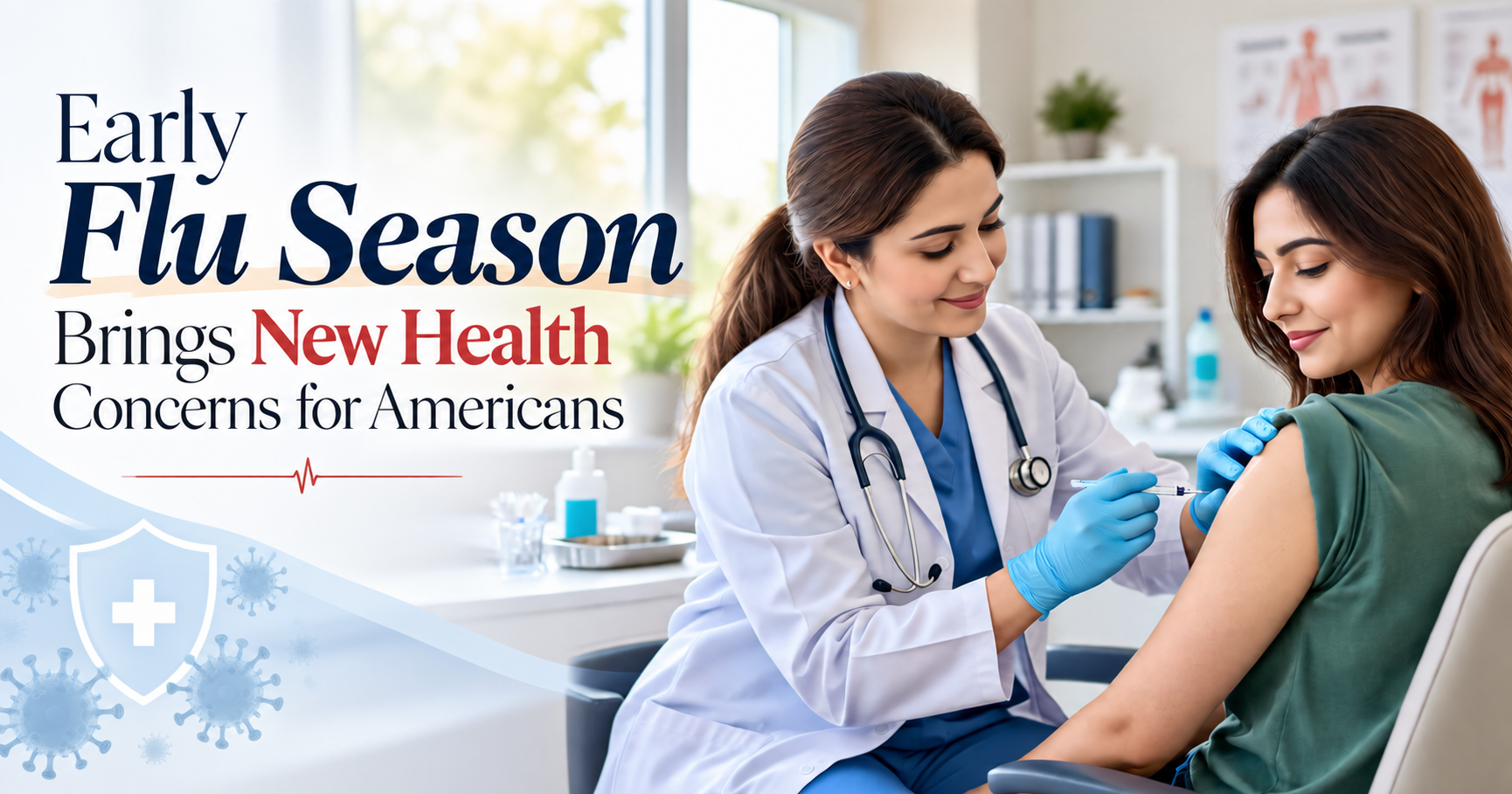
An early flu season can catch families off guard. Knowing the symptoms, the risk groups and the best time to get vaccinated helps you plan ahead. This guide explains the basics in plain language, using official CDC information.
What an “Early” Flu Season Means
Flu viruses can spread all year. In the United States, activity usually rises in fall and winter and peaks between December and February, according to the CDC.
An early flu season means more people get sick sooner than this usual pattern. Cases may start climbing in early fall instead of around the holidays.
Health officials follow this through weekly flu surveillance reports.
An early start does not always mean a severe season. Severity depends on which viruses are circulating, how many people are vaccinated and other factors.
For the 2026-2027 flu season, the CDC says all three virus components in U.S. flu vaccines were updated.
Common Flu Symptoms
Flu often comes on suddenly. Common symptoms include:
- Fever or feeling feverish, and chills
- Cough and sore throat
- Runny or stuffy nose
- Muscle or body aches
- Headache
- Tiredness
Not everyone with flu has a fever. Vomiting and diarrhea can happen too, and they are more common in children than in adults.
How Flu Compares With COVID-19, RSV and Colds
These illnesses share many symptoms, so it can be hard to tell them apart without a test.
- Flu: Usually starts quickly and often brings body aches, fatigue and fever.
- COVID-19: Can look very similar to flu. A test is the only reliable way to know which one you have.
- RSV: Often causes mild, cold-like symptoms, but it can be serious for infants and older adults.
- Common cold: Usually develops more slowly and is milder. A runny or stuffy nose and sneezing are typical.
If you are unsure what you have, a healthcare provider can advise on testing.
Who Is at Higher Risk
Anyone can get seriously ill from flu, but some groups face a higher risk of complications. The CDC lists these groups:
- Adults aged 65 and older
- Children under 5, especially those under 2
- Pregnant people and those who recently gave birth
- People with long-term conditions such as asthma, heart disease, diabetes or kidney disease
- People with weakened immune systems
People who live with or care for someone in these groups are encouraged to get vaccinated too.
When to Get Vaccinated
The CDC recommends that most people get vaccinated in September or October. Vaccination is also recommended after October and throughout the season, as long as flu viruses are circulating.
Getting vaccinated in July or August is generally not recommended for most adults. Protection may fade over the course of the season.
Some other points from the CDC:
- Flu vaccines are available for people aged 6 months and older.
- Adults 65 and older should preferably receive a high-dose, recombinant or adjuvanted vaccine, if available.
- People with an egg allergy may receive any age-appropriate flu vaccine.
- People who are already fully vaccinated this season do not need an extra dose.
The vaccine may not prevent every case. It can still lower the chance of serious illness.
Simple Ways to Lower Your Risk
Small habits help reduce the spread of flu:
- Get your yearly flu vaccine.
- Wash your hands often with soap and water.
- Cover coughs and sneezes with a tissue or your elbow.
- Avoid touching your eyes, nose and mouth.
- Stay home when you are sick.
- Clean frequently touched surfaces.
- Improve airflow indoors when possible, such as by opening a window.
Caring for Mild Flu at Home
Many healthy people recover from flu at home. Common steps include:
- Rest as much as you can.
- Drink plenty of fluids.
- Stay home and away from others.
- Ask a pharmacist or doctor which over-the-counter products are safe for you.
The CDC advises staying home until you have had no fever for at least 24 hours without fever-reducing medicine, and your symptoms are improving.
Doctors may prescribe antiviral medicine for some people. These work best when started early, so call your provider promptly if you are in a higher-risk group.
When to Seek Medical Care
Get emergency care right away for any of these warning signs in adults:
- Trouble breathing or shortness of breath
- Ongoing chest pain or pressure
- Sudden dizziness or confusion
- Severe muscle pain or weakness
- Little or no urination
- Seizures
- Fever or cough that improves, then returns or gets worse
In children, also watch for fast or hard breathing, bluish lips or face, signs of dehydration, trouble waking, or being unusually hard to comfort.
Contact a healthcare provider early if you are in a higher-risk group, or if you are unsure how serious your symptoms are.
Frequently Asked Questions
1. How do I know if it is the flu or a cold?
Flu usually starts suddenly and feels worse, with fever, body aches and fatigue. Colds are usually milder and begin more slowly.
2. Is it too late to get a flu shot?
No. The CDC says vaccination should continue throughout the season while flu viruses are circulating.
3. Can I get a flu shot and other vaccines at the same visit?
Many people can. Ask your healthcare provider or pharmacist what is right for you.
4. How long should I stay home with the flu?
Stay home until you have been fever-free for at least 24 hours without fever-reducing medicine and your symptoms are getting better.
Conclusion
An early flu season is a good reminder to prepare, not to panic. Know the symptoms, protect high-risk family members, and get vaccinated on time. Watch for warning signs and get medical help when needed.
Medical Disclaimer
This article is for general information only. It is not medical advice and does not replace care from a licensed professional. Consult a qualified healthcare provider about your own health.
Sources
- CDC: 2026-2027 Flu Season
- CDC: Interim Clinical Considerations for Seasonal Influenza Vaccines (2026-27)
- CDC: Flu Symptoms and Complications
- CDC: People at Higher Risk of Flu Complications
Written by
EmmaYou might also like
Fall Allergies vs. a Common Cold: How to Tell the Difference
Sneezing, sniffling, and a stuffy nose can mean fall allergies or a common cold. Here’s how to spot the difference and what to do about it.
How to Prevent Dry Skin in Winter With Simple Daily Habits
Cold air, indoor heating, and hot showers can leave your skin tight and itchy. Here are simple daily habits to help keep winter dryness under control.
2026-2027 Flu Season: What Doctors Want You to Know Now
Health officials are urging Americans to get ahead of the 2026-2027 flu season early, after last winter's outbreak ranked among the worst in recent memory.
Comments (0)
Be the first to comment.