
2026-2027 Flu Season: What Doctors Want You to Know Now
Health officials are urging Americans to get ahead of the 2026-2027 flu season early, after last winter's outbreak ranked among the worst in recent memory.
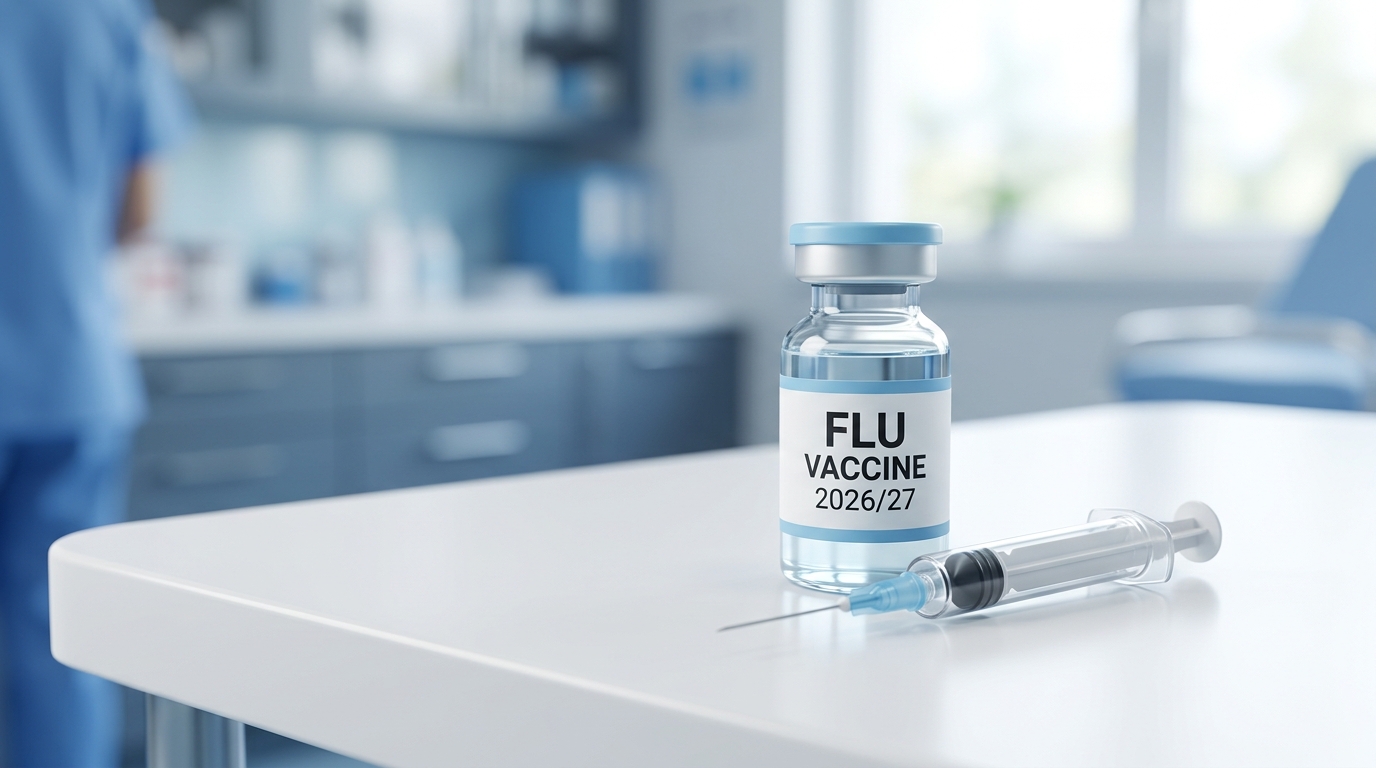
As temperatures start to drop, health officials are already warning that flu season is close behind and this time they're not waiting until people start getting sick to raise the alarm. The reason: last winter turned into one of the most severe flu seasons the U.S. has seen in nearly three decades, and experts don't want a repeat.
A Look Back at a Brutal Season
The 2025-2026 flu season overwhelmed hospitals across the country. Health agencies estimated tens of millions of infections, hundreds of thousands of hospital admissions, and tens of thousands of deaths between October and late February. At one point, nearly one in ten doctor visits nationwide were flu-related the highest share recorded since federal tracking began in the late 1990s.
Much of the damage came from a mutated version of the H3N2 strain that slipped past some of the protection offered by that year's vaccine. The shot still helped reduce severity, but its effectiveness fell short of expectations, which is part of why the season hit so hard.
What Health Officials Are Doing Differently This Year
This time, global and national health bodies moved earlier. Vaccine formulas for the upcoming season were updated months in advance to target the strains most likely to circulate, and international health advisories went out ahead of the usual schedule. Officials say vaccine supply should be steady, so availability isn't expected to be a major obstacle this fall.
Separately, health authorities are also keeping an eye on avian flu cases reported in humans across several countries a distinct issue from seasonal flu, but one they're monitoring closely as a precaution.
Who Should Be Most Careful
Flu can affect anyone, but certain groups face a higher risk of serious complications:
- Older adults, who make up the majority of flu-related hospitalizations and deaths
- Pregnant women, including those who recently gave birth
- Young children, particularly under age 5
- People managing chronic conditions like asthma, diabetes, heart disease, or a weakened immune system
For a closer look at symptoms and risk groups, see our guide on early flu season health concerns.
Symptoms That Shouldn't Be Ignored
Most cases can be managed at home with rest and fluids, but some warning signs call for medical attention:
- Trouble breathing
- Ongoing chest pain or pressure
- Sudden confusion or dizziness
- Symptoms that seem to improve, then return suddenly with fever and a worsening cough
That last pattern is easy to dismiss, but it can point to a secondary infection rather than a normal relapse and it's worth getting checked out.
Simple Steps That Make a Difference
- Get vaccinated early, ideally in September or October, since flu activity typically builds through the fall and can persist into spring
- Don't skip the shot just because it isn't perfect even a partially matched vaccine reduces the risk of severe illness
- Ask a doctor about antiviral treatment early if symptoms appear; these medications work best when started promptly, but need a prescription
- Keep up basic habits handwashing, staying home when sick, and covering coughs still go a long way
The Bottom Line
Last year's numbers were a wake-up call, and this year's earlier vaccine updates and advisories suggest health officials are taking no chances. A flu shot doesn't guarantee you won't get sick, but it remains the most reliable way to lower your odds of a severe case this winter.
Written by
EmmaYou might also like
Fall Allergies vs. a Common Cold: How to Tell the Difference
Sneezing, sniffling, and a stuffy nose can mean fall allergies or a common cold. Here’s how to spot the difference and what to do about it.
How to Prevent Dry Skin in Winter With Simple Daily Habits
Cold air, indoor heating, and hot showers can leave your skin tight and itchy. Here are simple daily habits to help keep winter dryness under control.
Early Flu Season Brings New Health Concerns for Americans
An early flu season can raise new health questions for families. Learn the symptoms, who is at higher risk, when to get vaccinated and when to see a doctor.
Comments (0)
Be the first to comment.