
Fed Rate Decision September 16 Turns Into a Total Toss-Up
Discover why the Fed's September 16 rate decision has become a coin flip, as oil-driven inflation, mixed jobs data and Chair Kevin Warsh's hawkish tone keep pulling the odds between a hike and a hold.
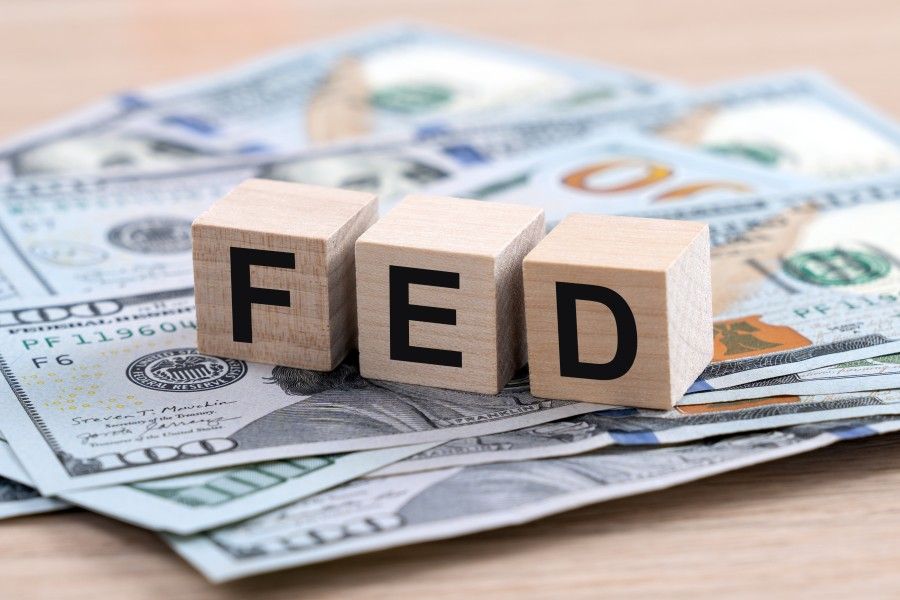
Fed's Coin-Flip Decision: Why September 16 Could Reshape Borrowing Costs
The Federal Reserve is heading into one of its tightest rate calls in recent memory. As of this week, futures markets are pricing the odds of a quarter-point hike at roughly 50-55%, essentially a toss-up with a hold and the swing factor behind that uncertainty keeps coming back to one thing: oil.
How We Got Here
At its July 29 meeting, the FOMC kept the federal funds rate parked at 3.50%3.75%, but the vote itself raised eyebrows. Three regional Fed presidents reportedly dissented in favor of raising rates a rare show of hawkish pushback within the committee. Minutes from that meeting, released in mid-August, pointed to rising unease that energy-driven inflation tied to Middle East tensions might force the Fed's hand later in the year.
From there, rate expectations have been anything but stable. A softer-than-expected July jobs report briefly pulled hike odds down to around 25%. Then Fed Chair Kevin warsh Jackson Hole remarks questioning whether inflation had genuinely cooled sent those odds climbing again within hours. A stronger August payrolls report (162,000 jobs added, unemployment steady at 4.1%) added more weight to the hawkish case, before Fed Governor Christopher Waller signaled he'd support a hold if inflation kept easing. The result: markets now sit close to even odds, with almost nobody pricing in a rate cut.
Why This Meeting Carries Extra Weight
The FOMC meets eight times a year, but September's meeting held September 15–16 is one of only four that comes with an updated Summary of Economic Projections, commonly called the "dot plot." That means the Fed won't just announce a rate; it will also signal, through each official's individual projections, where it expects rates to head through the rest of 2026.
There's an added layer of context: Kevin Warsh took over as Fed chair in May 2026 after a contentious confirmation process, and his appointment was widely seen as a signal that the White House wanted faster rate cuts. Instead, Wash has spent his first months in office sounding notably cautious about declaring an early win over inflation a stance that sits somewhat awkwardly against the expectations that came with his nomination.
What's Really Driving the Uncertainty
Energy prices are the common thread. Disruptions tied to regional tensions near the Strait of Hormuz have kept oil elevated, and that's a meaningful reason inflation hasn't cooled as cleanly as officials had hoped. As long as energy costs stay high, a hike remains on the table even when labor-market data might otherwise argue for patience.
The August CPI report, released September 11, is widely seen as the last major data point before the meeting and its timing, just five days out, gives it outsized influence. A hotter reading would likely tilt momentum toward a hike; a cooler one would strengthen the case for holding steady, according to several market analysts.
The committee's internal split hasn't gone away either. July's dissents weren't just procedural they reflected a genuine disagreement over whether current policy is tight enough. Whatever the Fed decides on the 16th, the dot plot and Warsh's press conference are expected to reveal just how contested the debate still is.
What It Could Mean for Households
If the Fed holds, mortgage rates, auto loans, and credit card APRs will likely stay roughly where they are. If it hikes, borrowing costs may inch higher rather than ease a shift from the rate-cut expectations many households had built into their plans earlier this year. Savers with high-yield accounts or CDs could see modestly better returns under a hike scenario.
Rate decisions also tend to ripple through Wall Street, so it’s worth seeing how the stock market in September 2026 has been reacting.
That said, none of this should be read as a signal to make a specific financial move. The right response depends on individual debt, savings goals, and timeline the kind of decision best discussed with a licensed financial advisor rather than based on a single Fed meeting.
What to Watch
Beyond the August CPI print and the September 16 decision itself, any shift in regional oil-supply tensions remains a wildcard that could reshape the Fed's calculus even at the last minute.
Written by
FaizanYou might also like

How to Find Affordable Health Insurance in 2027
Confused by deductibles and plan levels? This beginner’s guide explains 2027 health insurance in plain English.

No-GMAT MBA Programs in the US for Finance Careers
Looking for a no-GMAT MBA for a finance career? See how GMAT waivers work, who qualifies, 8 US programs to explore, and how to apply step by step.

Small Business Financing Options: A Guide to Choosing the Right One
Not sure which kind of funding fits your business? This guide explains every major option, from bank loans to grants, and walks you through a practical way to choose.

How Financial Services Are Changing in the US in 2026
Banking apps, AI, instant payments, and embedded finance are changing how Americans manage money. Explore the financial services trends 2026 and learn simple ways to stay safe and save smarter.

Americans Changing Their Budgets for How Households Are Adjusting
Groceries, housing, transportation, and subscriptions are putting pressure on monthly budgets. Here's how households are adjusting and what practical steps they consider.
 Trending
US Stock Market Outlook Sept 2026: Fed, Inflation & Oil
Inflation, an oil price shock from Middle East conflict, and a critical Fed decision are colliding to shake U.S. markets.
Comments (0)
Be the first to comment.