
US Stock Market Outlook Sept 2026: Fed, Inflation & Oil
Inflation, an oil price shock from Middle East conflict, and a critical Fed decision are colliding to shake U.S. markets.
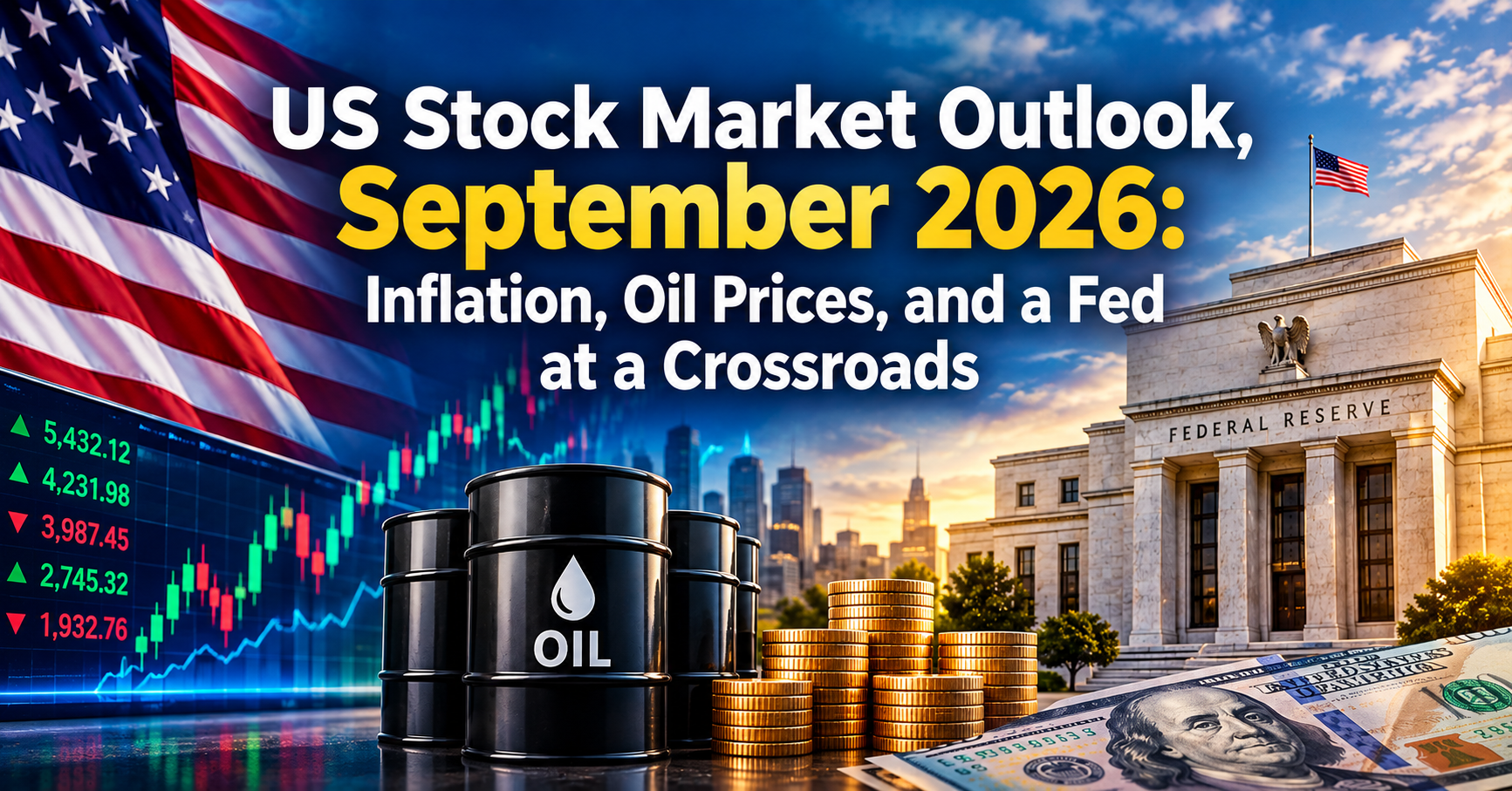
Wall Street was caught off guard this week by a stronger-than-expected U.S. employment report, sending traders scrambling to recalculate what the Federal Reserve might do at its upcoming policy meeting.
A Surprising Jobs Report
According to data released by the U.S. Bureau of Labor Statistics, employers added 162,000 jobs in August nearly three times the roughly 53,000 to 55,000 that economists had projected. The unemployment rate stayed flat at 4.1%, in line with forecasts, while hiring figures for June and July were revised higher, reinforcing the sense that the labor market remains sturdier than many had assumed. Most of the new hiring came from restaurants, bars, and local government education roles, whereas the information sector shed jobs.
Interestingly, private payroll data from ADP told a different story, showing only about 38,000 new private-sector jobs in August the weakest reading since January. This gap between official and private estimates has added to the uncertainty around how the broader economy is really performing.
Why Wall Street Reacted So Strongly
A jobs report this far above expectations doesn't just make headlines it can shift the entire outlook for interest rates. Several market reactions followed almost immediately:
- Rate-cut expectations faded. A stronger labor market gives the Fed less urgency to ease policy.
- Odds of a rate hike climbed, with markets now pricing in better-than-even chances of an increase at the next meeting.
- Short-term bond yields rose, with the 2-year Treasury yield climbing to 4.37%.
- Stocks slipped, as the Dow Jones Industrial Average dropped over 270 points following the report.
Inflation and Oil Add to the Pressure
This report didn't arrive in isolation. Markets have already been dealing with elevated long-term bond yields the 10-year Treasury recently hit its highest level since late 2023 along with rising oil prices linked to renewed tensions between the U.S. and Iran. Combined with a labor market that's been cooling gradually but still delivered a hot surprise, the Fed now faces what one economist described as a genuinely "finely balanced" decision.
Fed officials themselves appear split: some favor holding rates steady if inflation continues easing, while this latest jobs data pushes in the opposite direction.
What Comes Next
Investors are now turning their attention to upcoming inflation data the CPI and PIP reports which could play a decisive role in the Fed's next move. The Fed's September meeting remains the key event on the calendar, alongside a wave of corporate earnings from major tech and industrial firms that could offer more clues about the health of the broader economy.
What It Means for Investors
For active traders, this kind of volatility cuts both ways. Rate-sensitive sectors like housing, real estate, and high-growth tech stocks tend to move sharply with shifting rate expectations. Short-duration bonds often react first, as seen in the recent jump in 2-year yields. And with a major Fed decision approaching amid mixed signals, market volatility is likely to stay elevated in the coming weeks.
Bottom Line
This week's jobs report did more than beat forecasts it reshaped the conversation heading into the Fed's next meeting. With hot growth data, pending inflation reports, and markets already repricing rate-hike odds, the next few weeks could prove pivotal for anyone tracking rates, bonds, or equities. As always, the picture could shift quickly with the next data release or Fed comment.
Disclaimer: This article is for informational purposes only and does not constitute financial or investment advice. Readers should consult a licensed financial advisor before making investment decisions.
Written by
EmmaYou might also like

How to Find Affordable Health Insurance in 2027
Confused by deductibles and plan levels? This beginner’s guide explains 2027 health insurance in plain English.

No-GMAT MBA Programs in the US for Finance Careers
Looking for a no-GMAT MBA for a finance career? See how GMAT waivers work, who qualifies, 8 US programs to explore, and how to apply step by step.

Small Business Financing Options: A Guide to Choosing the Right One
Not sure which kind of funding fits your business? This guide explains every major option, from bank loans to grants, and walks you through a practical way to choose.

How Financial Services Are Changing in the US in 2026
Banking apps, AI, instant payments, and embedded finance are changing how Americans manage money. Explore the financial services trends 2026 and learn simple ways to stay safe and save smarter.

Americans Changing Their Budgets for How Households Are Adjusting
Groceries, housing, transportation, and subscriptions are putting pressure on monthly budgets. Here's how households are adjusting and what practical steps they consider.
Fed Rate Decision September 16 Turns Into a Total Toss-Up
Discover why the Fed's September 16 rate decision has become a coin flip, as oil-driven inflation, mixed jobs data and Chair Kevin Warsh's hawkish tone keep pulling the odds between a hike and a hold.
Comments (0)
Be the first to comment.